
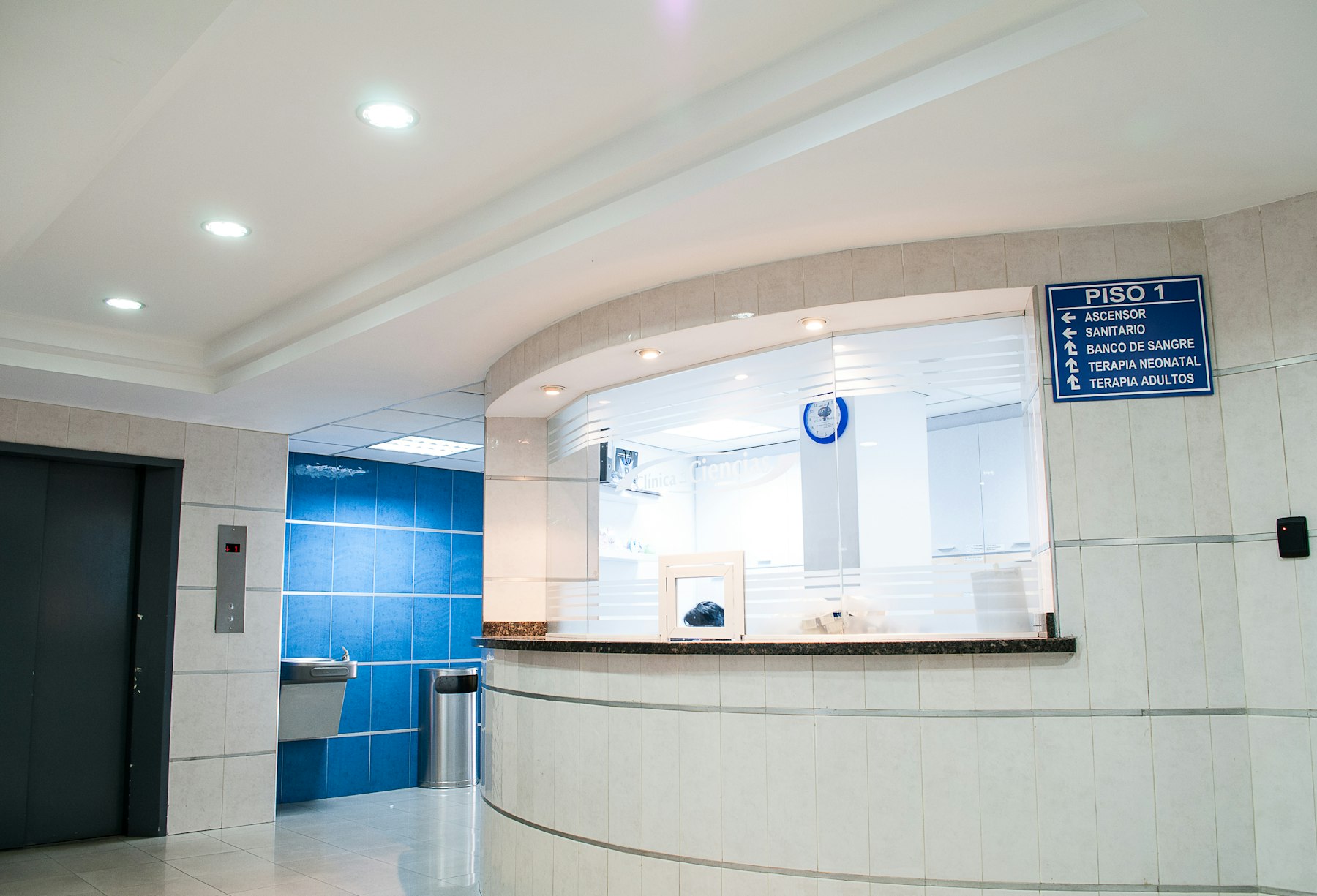
Public-facing and sensitive zones
Healthcare environments often have to stay accessible while still protecting sensitive areas, support spaces, staff-only routes and higher-risk zones. That tension makes access and control decisions more operationally important than they may first appear.
Mixed-role and front-of-house issues
Reception, support tasks and patient or public interface can all blur security role clarity if expectations are not structured carefully. Challenge culture needs support when the environment is busy and service-led.
Procedures and escalation
Healthcare sites benefit from especially clear escalation routes and current procedures because the environment is complex, time-sensitive and often highly public-facing.
Systems and access
CCTV, visitor flow, restricted zones and service routes all need to be reviewed as part of the wider operating model, not just as isolated controls.
Out-of-hours and support areas
Evenings, service corridors, rear access and lower staffing periods often deserve extra attention because confidence in daytime arrangements can hide quieter-period vulnerability.
What healthcare teams should review now
- Role clarity across reception, estates and security-linked activity.
- Public access routes versus restricted or sensitive zones.
- Escalation ownership and current procedures.
- Out-of-hours staffing, access and monitoring routines.
A healthcare security readiness review should assess public access points, restricted areas, reception responsibilities, escalation routes, out-of-hours vulnerabilities, CCTV coverage, visitor flow and access control.
Why do hospitals need a different security review from other public-facing buildings? Healthcare environments combine open access, vulnerable people, time-critical operations and multiple staff roles. That mix means role clarity, escalation and sensitive-area protection need more detailed review.
When should estates teams review healthcare security arrangements? Security arrangements should be reviewed after building changes, incidents, staffing changes, route changes, service redesigns or before major compliance and readiness planning.